

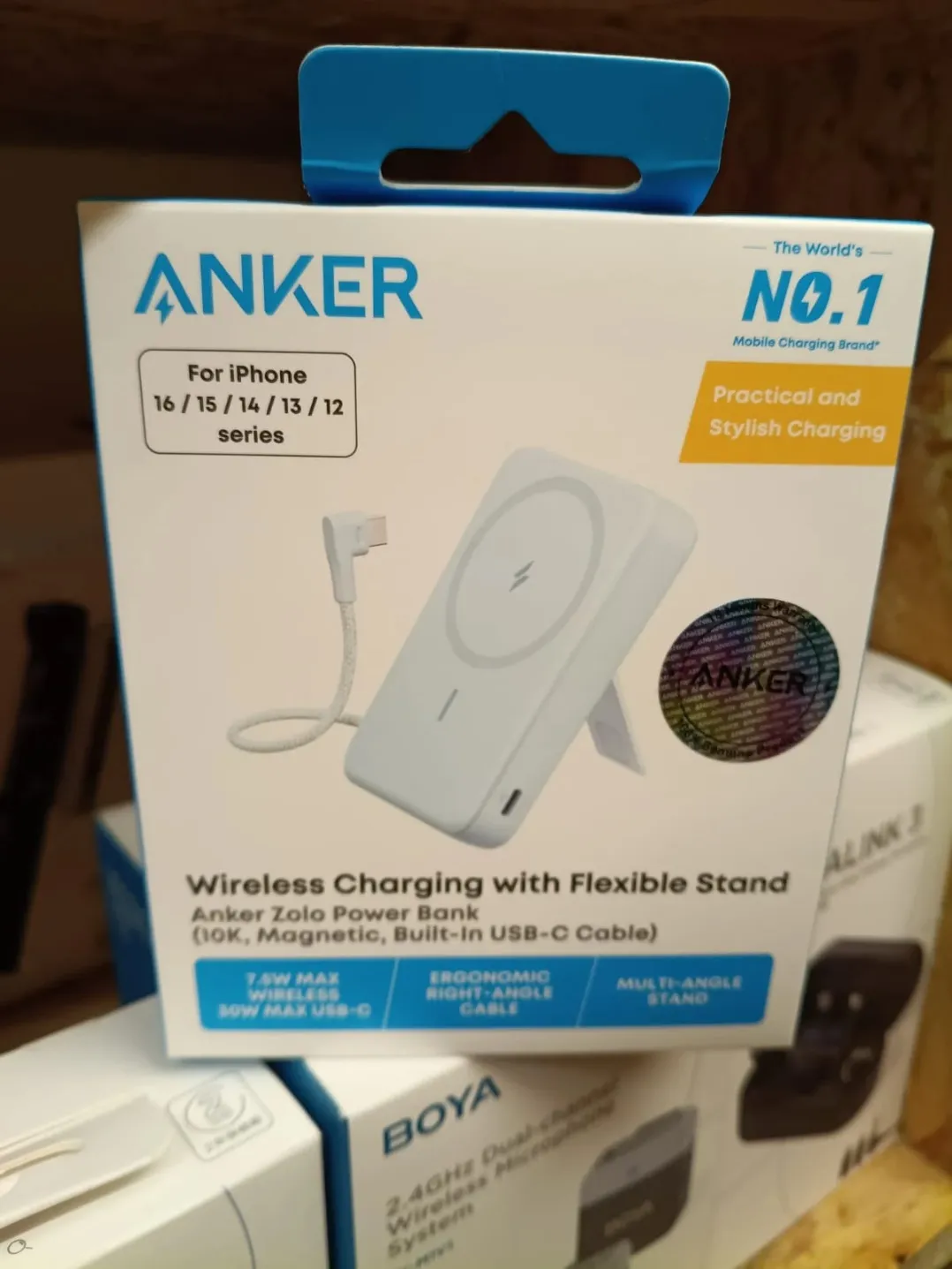
Portable devices have become essential for work, communication and entertainment. Smartphones handle everything from payments to navigation, while tablets and laptops allow people to work from almost anywhere. The difficulty begins when these devices need power and a wall socket is nowhere nearby. A suitable power bank can provide an additional source of energy without tying the user to one location.
Not every portable charger is designed for the same purpose, though. Capacity, charging speed, ports, physical size and device compatibility can differ significantly. Understanding these features makes it easier to choose a model suited to everyday routines rather than simply buying one with the biggest number printed on the box.
Start With the Devices You Actually Carry
Before comparing capacities, consider which devices will regularly need charging. Someone carrying only a smartphone has relatively straightforward requirements. A person travelling with a phone, wireless earbuds, tablet and laptop needs a more capable charging arrangement.
It is also worth checking how frequently those devices run low during a normal day. Occasional users may prefer a smaller unit that fits easily into a bag, whereas frequent travellers could benefit from additional capacity. Starting with real usage makes specifications easier to evaluate.
Capacity Needs to Match Your Routine
Power-bank capacity is normally expressed in milliampere-hours, or mAh. Higher figures generally indicate more stored energy, but bigger is not automatically better. Additional capacity usually means additional size and weight.
People comparing options to Buy Anker Power Bank in Kenya should consider portability alongside capacity. A compact charger may be more convenient for daily commuting, while a higher-capacity option can make more sense for long journeys or days spent away from reliable power.
Charging Speed Makes a Practical Difference
Capacity determines how much energy is available, while output influences how quickly compatible devices can receive it. This distinction matters when there is only a short period available to recharge.
Modern devices may support various fast-charging technologies. However, fast charging generally depends on compatibility between the power source, cable and device. Checking supported output specifications is therefore more useful than assuming every high-capacity power bank will charge equally quickly.
Charging a Laptop Requires More Attention
Laptops typically have greater power requirements than smartphones, so a portable charger suitable for a phone may not necessarily be appropriate for a computer. USB-C charging has made portable laptop charging more practical, particularly for compatible modern notebooks.
When selecting a Power Bank for Laptop, check both the output capability of the charger and the charging requirements of the computer. Wattage is especially important. A unit that cannot supply sufficient power may charge very slowly or may not provide the expected charging performance at all.
Think About the Number and Type of Ports
A single charging port may be enough for one device, but multiple ports can be valuable for people carrying several electronics. For example, a traveller might need to charge a smartphone and headphones while keeping another connection available for a tablet.
USB-A remains common, while USB-C has become increasingly important because it can support both charging and power delivery on compatible equipment. Looking at the devices and cables already owned can help determine which port arrangement will be most practical.
Size and Weight Matter When Travelling
A power bank is useful only when it is convenient enough to carry. Large-capacity models can provide more stored power but may occupy noticeably more room in a backpack. Smaller units are easier to carry in a handbag or everyday work bag.
Frequent travellers should find a sensible balance. Rather than automatically selecting maximum capacity, consider how long the charger will normally be needed between opportunities to access mains electricity. Airline passengers should also check current carrier and aviation requirements concerning portable batteries before travelling.
Do Not Overlook Cables and Compatibility
The charging cable can affect the experience just as much as the power bank itself. Damaged, unsuitable or low-quality cables may prevent a device from achieving its supported charging speed.
Check connector types before buying accessories. Some equipment requires USB-C, while older devices may still use other connections. Carrying the correct cables prevents the frustrating situation of having plenty of stored energy but no compatible way to transfer it.
Consider How You Will Recharge the Power Bank
People often concentrate on how quickly a power bank charges their devices but forget about how long the unit itself takes to recharge. This becomes particularly important with higher-capacity models.
A suitable input specification and compatible wall charger can make recharging more convenient. Someone who uses a portable charger heavily may prefer to recharge it overnight, while frequent travellers might value faster replenishment between journeys.
Conclusion
Choosing a power bank becomes simpler when the decision is based on everyday usage rather than capacity alone. The devices being carried, required output, charging standards, ports, physical size and recharging arrangements all deserve consideration.
A commuter with one smartphone may need something very different from a professional travelling with a laptop and several accessories. By checking compatibility and realistic power requirements first, buyers can select portable charging equipment that is genuinely useful without carrying unnecessary capacity or weight.
